
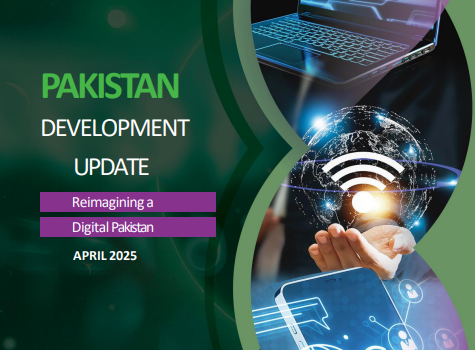
Pakistan Development Update - Reimagining a Digital Pakistan
Amid a severe economic crisis, Pakistan undertook decisive measures to prevent a sovereign default, stabilize the currency, and curb inflation.
From Inward to Outward: Pakistan’s Shift Towards Export-led Growth
Over the past decade, Pakistan’s tariffs have increased markedly, after reaching its lowest levels in the early 2000s
Pakistan 2025 - One Nation One Vision
For a nation to progress it must have a clear idea of its longer-term aspirations. Without this clarity it will never be able to prepare a coherent roadmap for action.
Pakistan@100: Shaping The Future
Muhammad Ali Jinnah, envisioned a prosperous future for Pakistan, achieved by men and women working together for the well-being of its people, especially the poor.
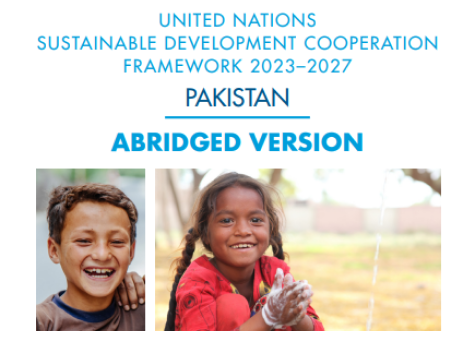
UN Sustainable Development Cooperation Framework
A collective framework of UN support for Pakistan’s achievement of the Sustainable Development Goals (SDGs).
Tax Compliance Rationale & Behavioral Aspects of Taxpayer Motives
The objective of this policy brief is to provide an easy-to-digest overview of the factors affecting tax compliance in developing countries.

Climate Financing and Policy Recommendations
The objectives of this report are being achieved through detailed investigative research that addresses broad issues discussed in this document.
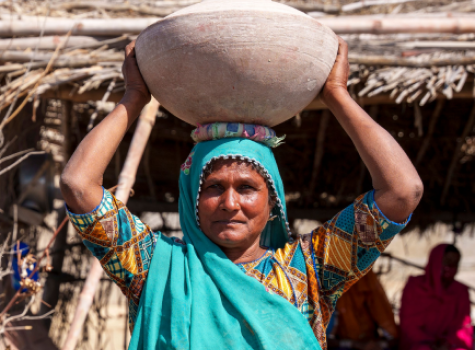
UN Pakistan Annual Report 2024
This annual report is proof positive that development works. It shows how the UN in Pakistan, together with our many partners, changed lives for the better in 2024.
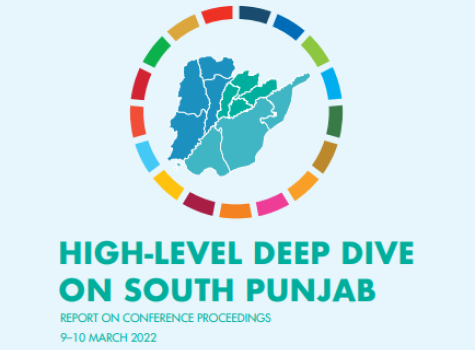
High Level Deep Dive on South Punjab 2022
South Punjab is a land of opportunity. While the challenges it faces are great, the opportunities for development are greater.
UN Sustainable Development Cooperation Framework
It outlines how the United Nations (UN)system will support Pakistan to achieve the Sustainable Development Goals (SDGs).
Evaluating the role of Pakistani Diaspora in National Development
Playing a pivotal role in the national development, contributing significantly through remittances, investments, knowledge transfer, and socio-cultural engagements.
UNSDCF 2023 - 2027; Abridged Version
It articulates the collective framework of UN support for Pakistan’s achievement of the Sustainable Development Goals (SDGs). It is nationally owned and reflects national development priorities.
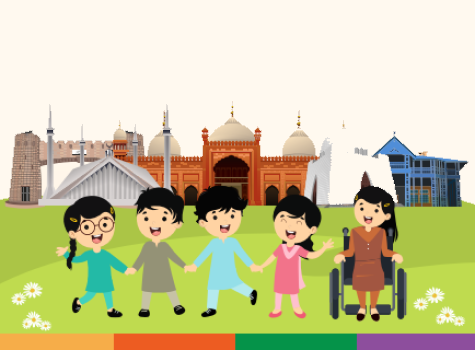
The State of Children in Pakistan 2024
It articulates the collective framework of the scope and thematic priorities of the report were identified in line with the NCRC’s Strategic Plan 2023-26, ensuring alignment with its mandate and national child rights agenda
Humanitarian Action for Children
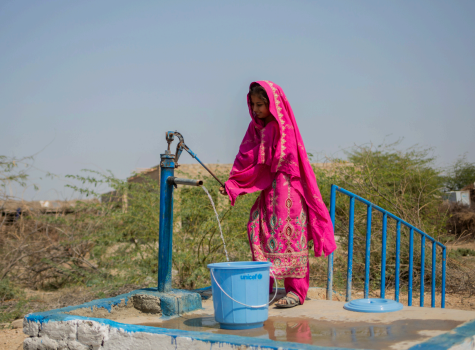
Children are highly vulnerable to recurrent natural hazards in Pakistan, which ranks fifth globally in climate risks, and to recurrent and simultaneous human-induced crises.
Key Crises To Watch
In 2025, Pakistan continues to face escalating violence from non-state armed groups, including the Tehrik-e Taliban Pakistan, the Balochistan Liberation Army, and the Islamic State – Khorasan Province. The intensity and geographic reach of their attacks have expanded.
Industrial Energy Efficiency And Decarbonization
Improving the energy efficiency of industrial production can reduce energy expenditure, increase industrial competitiveness while providing wider economic and environmental benefits.